
CLOSE X


BLACK HISTORICAL AND COMTEMOPARY FIGURES

BLACK LIVES MATTER

...
CLICK TO WATCH FULL VIDEO


Tribute to UK's trailblazing first Black female headteachers leaves a lasting legacy

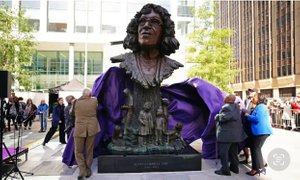
A landmark statue to Wales's first black headteacher was unveiled to the public today after the pioneer topped a vote in a campaign seeking to honour 'hidden heroines'. 

Betty Campbell, who died in 2017 aged 82, proved her doubters wrong after being told as a child that achieving her dream of becoming a head teacher was 'insurmountable'.


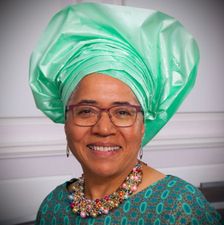
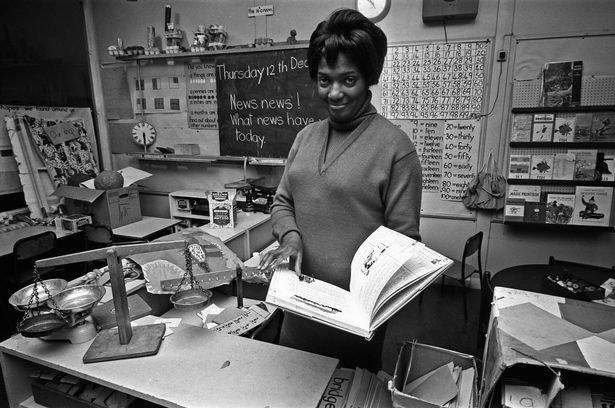
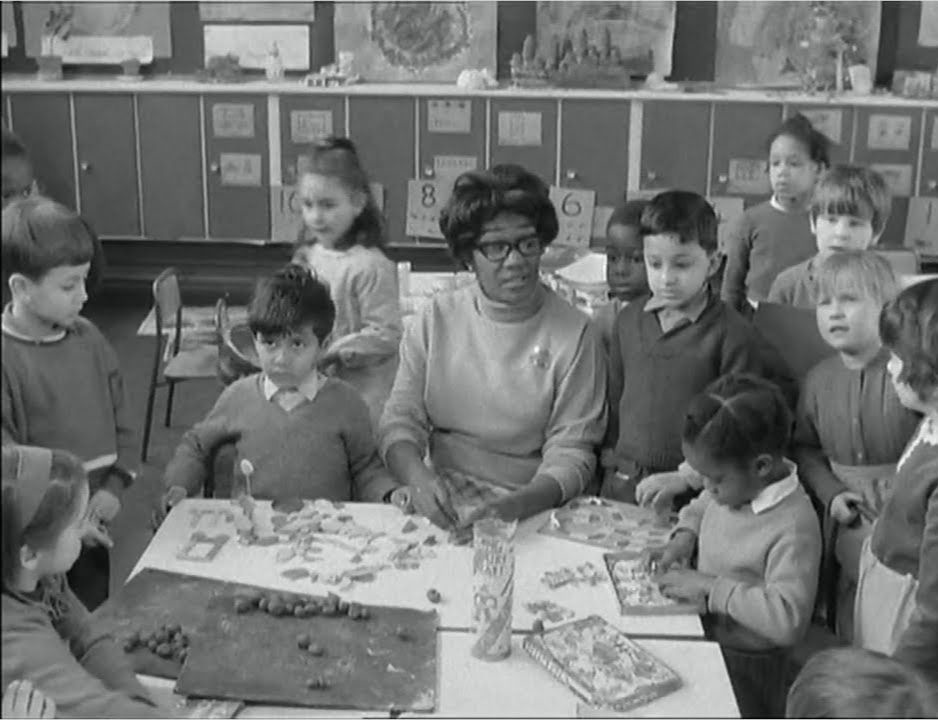
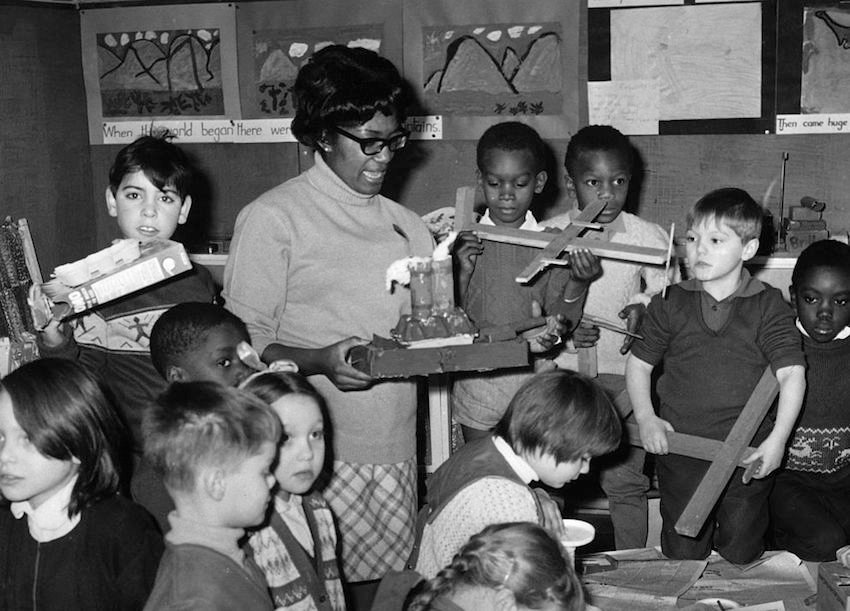
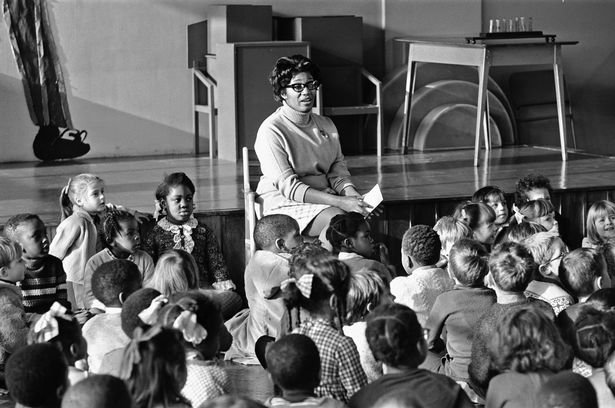
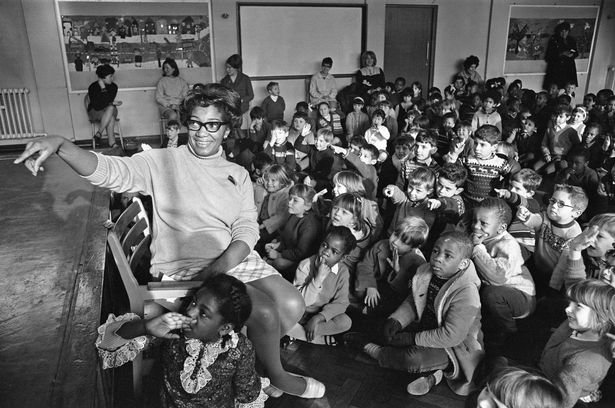
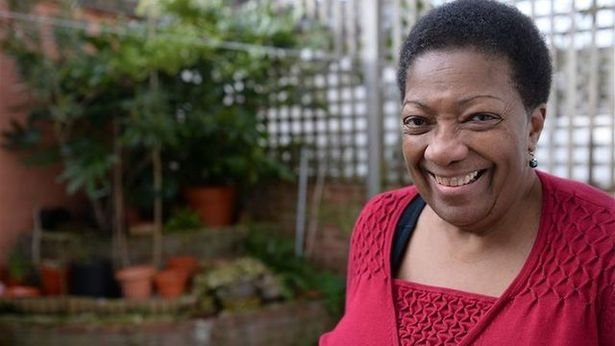
Yvonne Conolly

UK's first black female headteacher leaving lasting legacy'
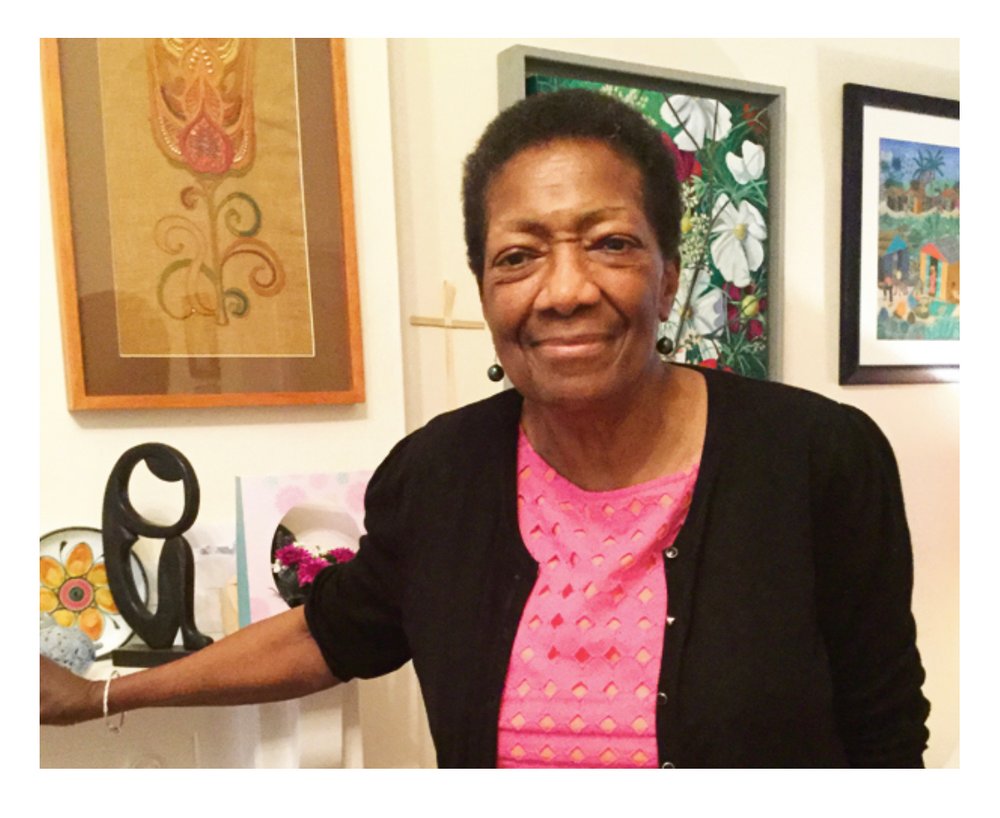


Yvonne Conolly

UK's trailblazing first black female headteacher dies aged 81 'leaving lasting legacy'


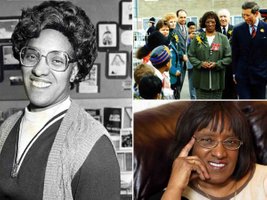
TRIBUTES to the country’s first woman black headteacher who moved to Camden from Jamaica with just £36 in her pocket.


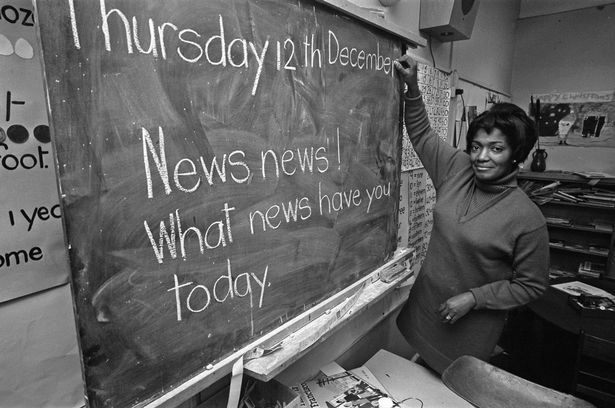
Yvonne Conolly, who has died aged 81 following a long battle with myeloma, had to be accompanied by a “minder” on the day she took over Ring Cross primary school, Islington, in 1968.


“All hell broke loose” with “all sorts of nasty” racist abuse, she had recalled in a wide-ranging interview with the New Journal last year.


Read more - Camden Journal


HISTORICAL AND CONTEMPORARY FIGURES
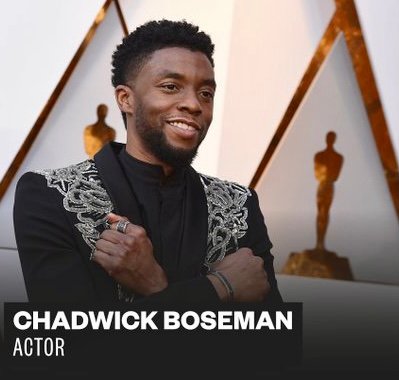
CHADWICK BOSEMAN
Chadwick Boseman played a number of iconic Black roles, but his portrayal as King T'Challa in Black Panther cemented his place in Black history.

As T'Challa, he inspired Black children across the world - he ensured Black stories were heard and represented.
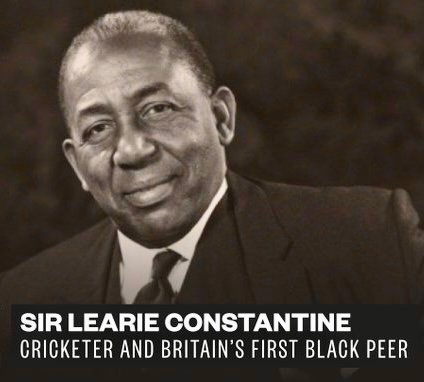
SIR LEARIE CONSTANTINE
Cricketer Sir Learie Constantine launched the first legal case against racial discrimination in 1943. This is thought to have shaped the Race Relations Act.

In 1962 Constantine was knighted for his work in race relations, becoming the UK's first Black peer.
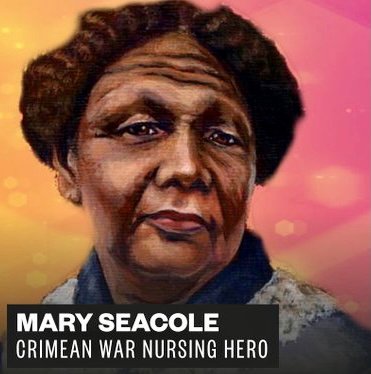
MARY SEACOLE
Mary Seacole's request to nurse British Crimean War soldiers was denied by the War Office - so she funded her own trip.

She set up the 'British Hotel', a place of recuperation for wounded soldiers, and went on to become a revered figure in the UK.
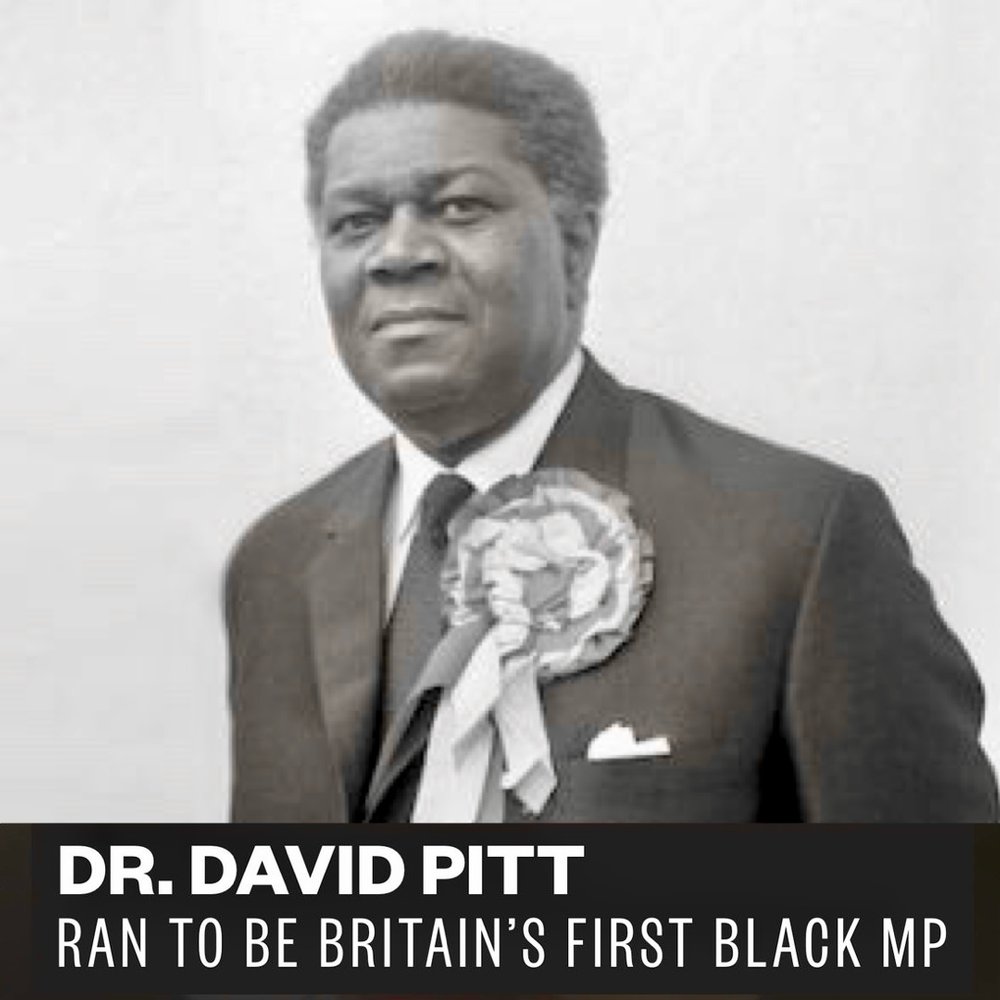
DR DAVID PITTS
Dr David Pitt was the longest-serving Black Parliamentarian, receiving a lifetime peerage in 1975.

Dr Pitt twice ran to be an MP, but after suffering extreme racist rhetoric during the 1970 election he never ran again.

He'd have been the UK's first Black MP.
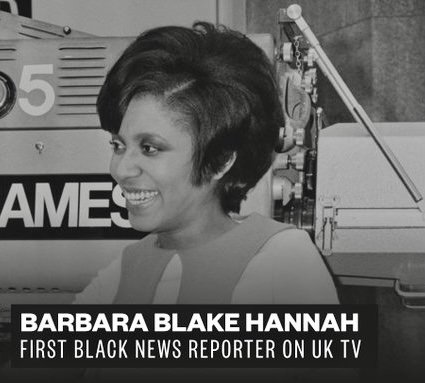
BARBARA BLAKE
Barbara Blake Hannah became UK TV's first Black news reporter in 1968, but after nine months was dismissed in response to racist viewer complaints.

Hannah has gone on to become a successful author and has served as a senator in the Jamaican Parliament.
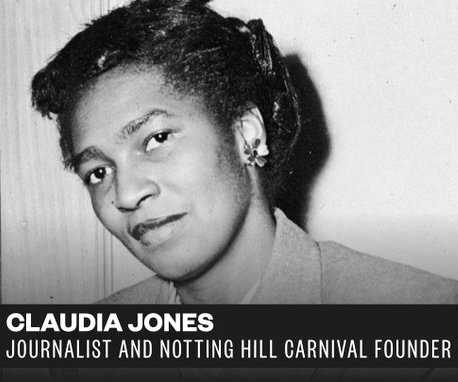
CLAUDIA JONES
Claudia Jones founded the West Indian Gazette, an anti-racist newspaper which campaigned for social equality, in 1958.

Months later, in response to the Notting Hill race riots, Jones launched what went on to become the world-famous Notting Hill Carnival.
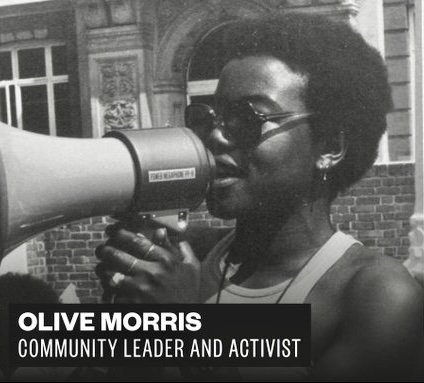
OLIVE MORRIS
Olive Morris became a key leader against racial injustice throughout the 1970s after being caught up in an incident of police brutality. After stepping in, she was beaten and detained.

In 1979, Olive died of non-Hodgkin lymphoma. She was 27 years old.
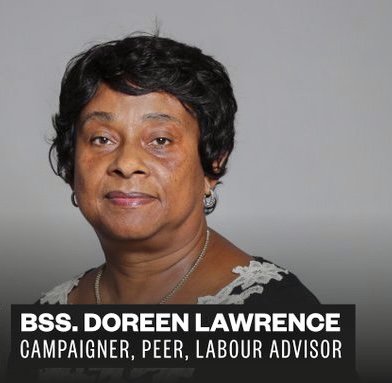
DOREEN LAWRENCE
Doreen Lawrence has spent 27 years campaigning for justice for her son Stephen, who was murdered in a racist attack in 1993 - as well as for the rights of other victims of racist crimes.

She was made a life peer in 2013 for her commitment to race relations.
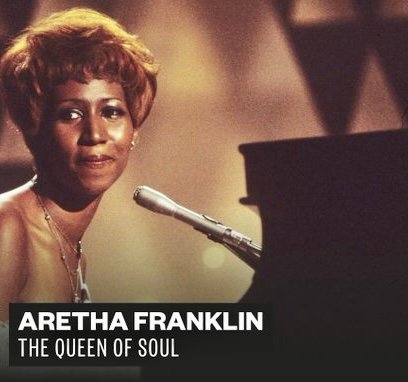
ARETHA FRANKLIN
Aretha Franklin was not only an icon of music, but also of the Civil Rights Movement.

In 1970 she offered to post bail for activist Angela Davis: "I want to use [my money] to help our people."

Pres. Obama said: "American History wells up when Aretha sings."
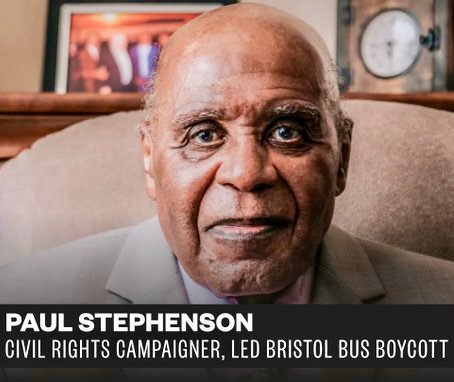
PAUL STEPHENSON
Paul Stephenson OBE led the Bristol Bus Boycott in 1963, over their refusal to employ Black or Asian bus crews.

In 1964 Stephenson made national headlines when he refused to leave a pub which banned Black people. He was arrested and kept in cells overnight.
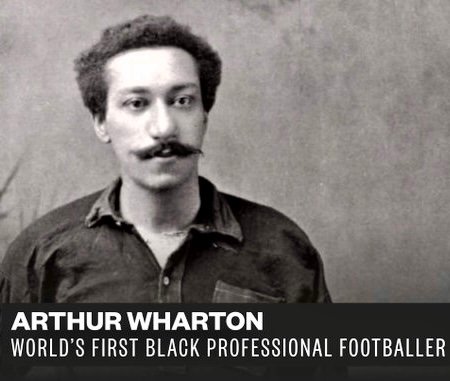
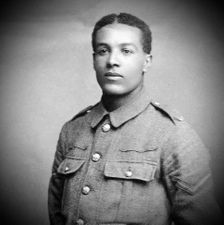
ARTHUR WHARTON
Arthur Wharton became the fastest man in Britain at age 20, however, it was being spotted by the manager of Darlington F.C. in 1885 that made history.

Wharton became the world's first Black professional footballer when he started as goalkeeper at the club.
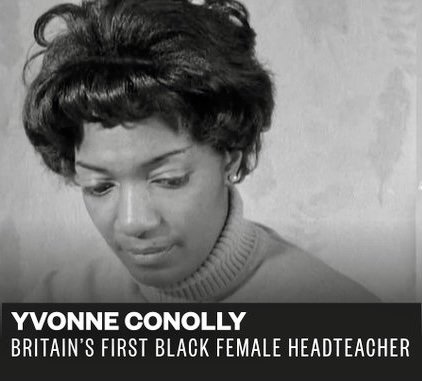
YVONNE CONOLLY
Yvonne Conolly made national headlines when she was appointed as Britain's first Black female headteacher at Ring Cross Primary School in 1969.

Reflecting on her career in 2019, she said: "The differences were far less than the commonalities that we shared."
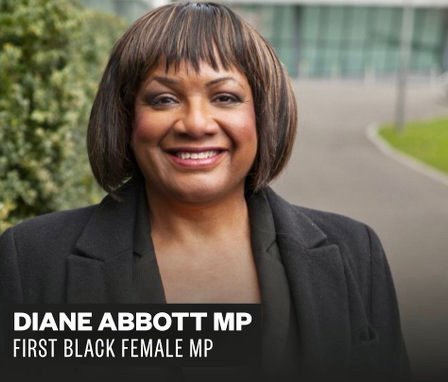
DIANE ABBOTS
Diane Abbott was the first Black woman elected to the Commons in 1987.

Before Election 2017, Diane Abbott received almost half of all the online abuse sent to female MPs.

In 2008 she was awarded by the Human Rights Awards for her famous '42 Days' Commons speech.
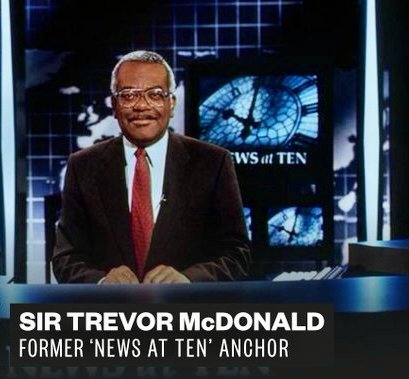
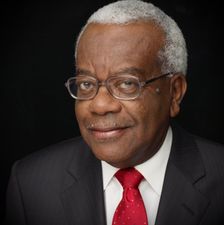
SIR TREVOR McDONALD
Sir Trevor McDonald became a household name when he was appointed as anchor of ITV's 'News at Ten' in 1992.

He was one of the first regular Black faces on UK TV when he joined ITV News in 1973, and in 1999 he was knighted for services to journalism.
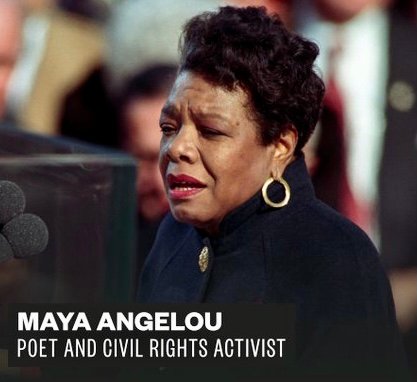
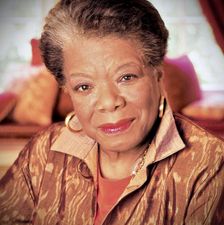
MAYO ANGELOU
Maya Angelou was a Grammy-winning poet and a vocal figure in the Civil Rights Movement.

Across her lifetime she received over fifty honorary degrees.

She performed 'On the Pulse of Morning' at Bill Clinton's 1993 presidential inauguration.
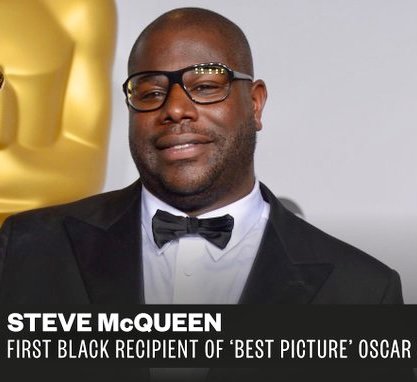
STEVE McQUEEN
Steve McQueen became the first Black filmmaker to receive the Oscar for 'Best Picture', for '12 Years A Slave' in 2014.

McQueen also has two BAFTAs to his name, one also for '12 Years A Slave', and one for his 2008 film 'Hunger'.
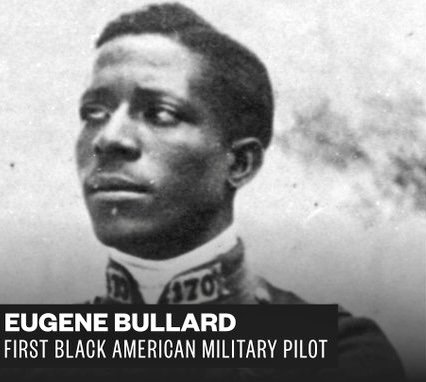
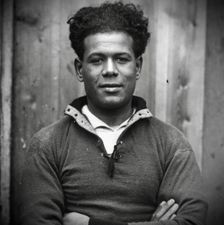
EUGENE BULLARD
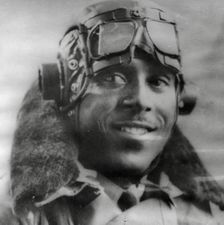
Eugene Bullard was the first Black American military pilot, but after witnessing his father's narrow escape from lynching in Ohio, he fled to Glasgow.

He later moved on to London, then Paris, where he pursued a career in boxing.
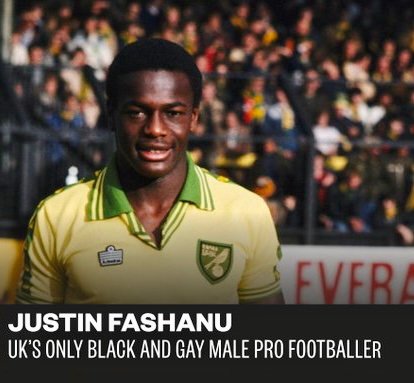
JUSTIN FASHANU
Justin Fashanu was Britain's first Black and gay professional footballer.

Justin died by suicide in 1998, eight years after publicly coming out after a newspaper threatened to out him.

He faced intense homophobia from the media and his family.
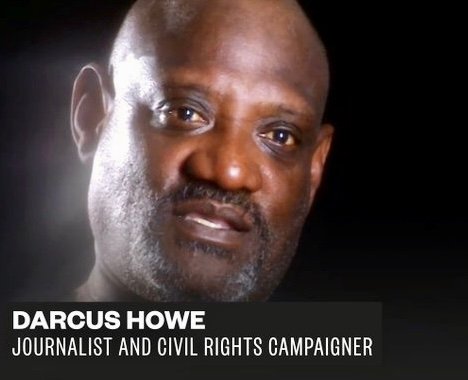
DARCUS HOWE
Darcus Howe partook in a protest against frequent police raids on a Black-owned restaurant in 1970.

Howe, with eight others, faced a trial lasting 55 days for 'inciting a riot'. They were known as the Mangrove Nine.

All nine were cleared of the main charge.
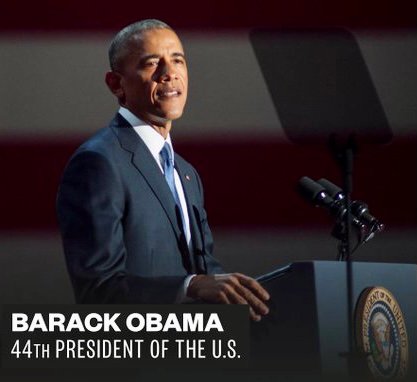
BARACK OBAMA
Barack Obama was elected President of the United States on Nov 4, 2008.

Obama's presidency unlocked the potential for every Black child to be whatever they want to be, and symbolised hope that the centuries of neglect towards Black communities was changing.
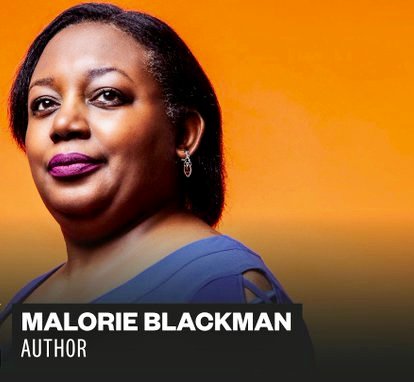
MALORIE BLACKMAN
Malorie Blackman's most well-known book was 'Noughts and Crosses', which explored an alternate-reality of racism and prejudice.

Blackman has continuously advocated for representation for Black children within fiction.
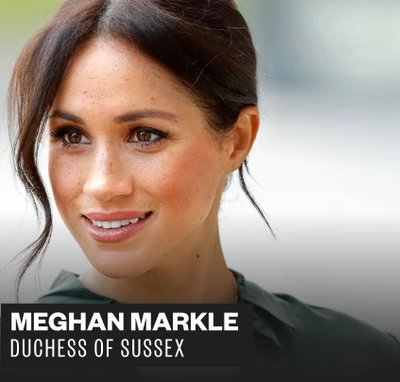
MEGHAN MARKLE
Meghan Markle's marriage to Prince Harry provided hope of greater inclusivity and tolerance for many Black Britons in 2018.

Two years later, they've quit as full-time royals and left the UK, seemingly driven out by toxic and often racist media coverage.
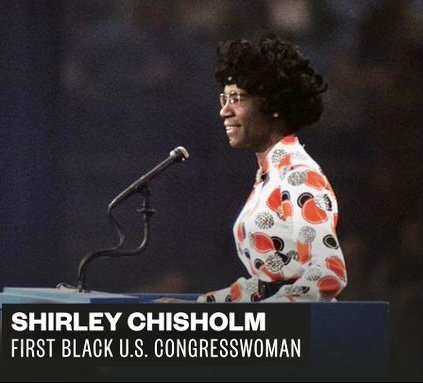
SHIRLEY CHISHOLM
Shirley Chisholm was the first Black woman elected to U.S. Congress in 1968.

In '72 she ran for the presidency, becoming the first Black candidate for a major party's nomination.

She would lose the nomination, but did win 10% of the delegates' votes.
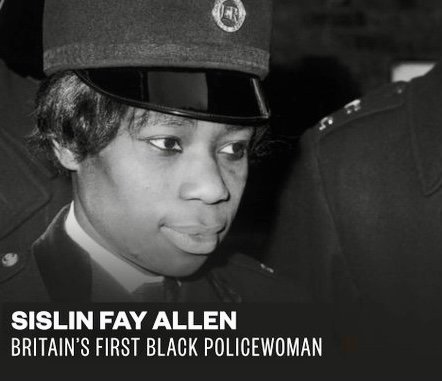
SISLIN FAY ALLEN
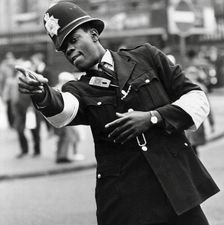
Britain's first Black policewoman, Sislin Fay Allen, joined the Metropolitan Police in 1968.

She received many "horrible" letters in her four years serving for the Met: "Some of them were livid."

Allen left the force in 1972, when she returned to Jamaica.

Creating awareness and profiling persons of historical and contemporary significance, who has or is making a significant difference and impact to black lives


If you have an important figure you would like us to consider profiling on our platform simply get in touch below.
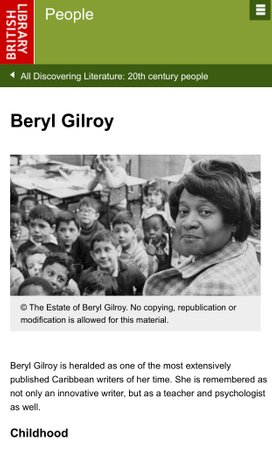
 

Historical and Contemporary figures


BLACK LIVES MATTER
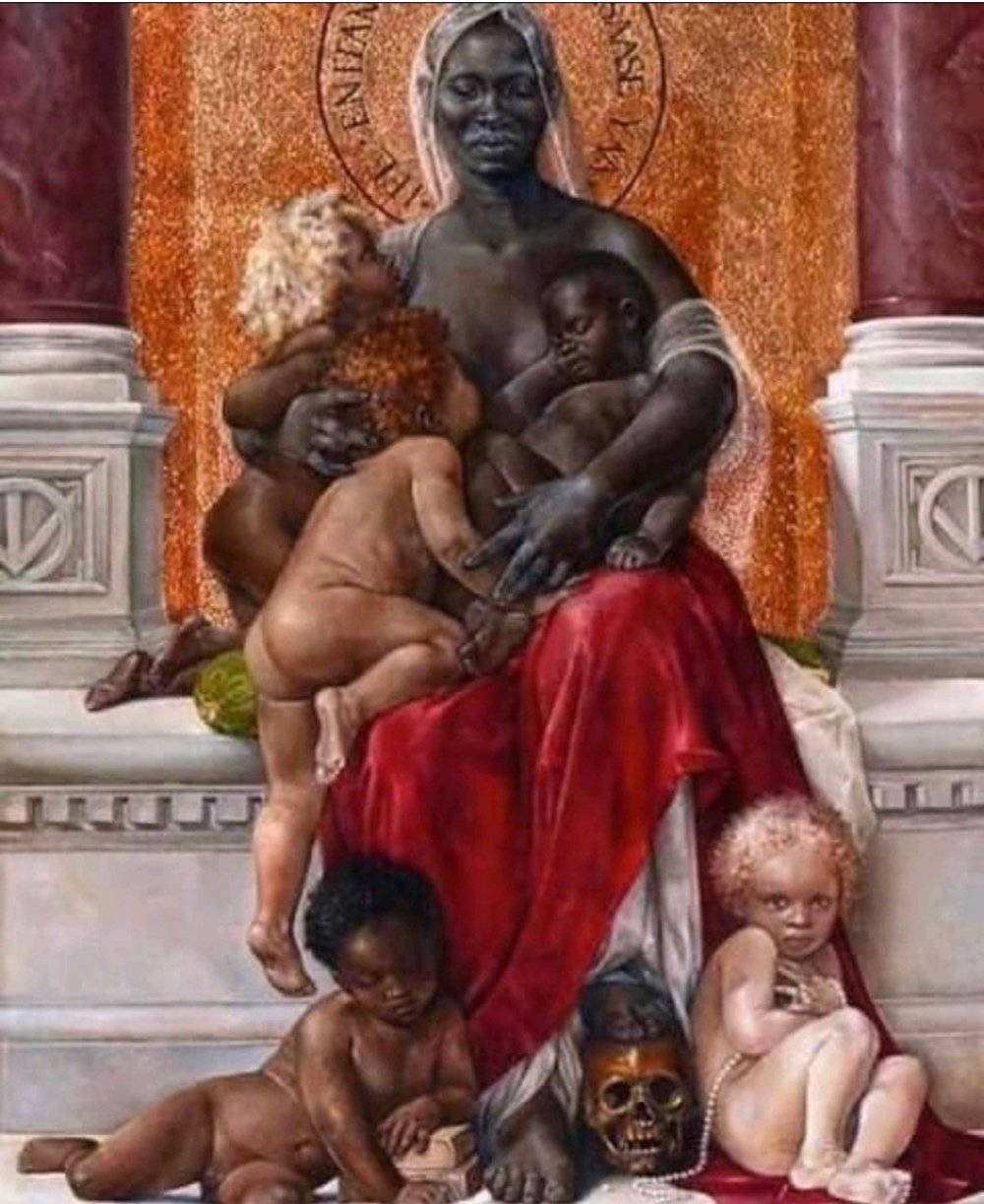


GREATEST AFRICAN LEADERS AND WORLD INFLUENCERS


AFRICAN HEROES or VILLIANS

You decide


Controversy surrounded many names, as did much propaganda spread written by colonial powers. History needs to be dissected and deciphered between a people hero, a respected national leader, much valued to an oversea states and governments documented villain.


As the phrase goes 'One man's hero maybe another man's (often the white Western states enemy) villain'


Alphabetical order


Kofi Anan

Kofi Annan was, and remains, a symbol of dignity in a turbulent age. He stood for humanity in the face of cruelty, for dialogue in the face of aggression, for humility in the face of power. He was, as Nelson Mandela once said of him, “a true statesman of our times.”


NOBEL PEACE PRIZE - Africa's Foremost Diplomat


In 2001, its centennial year, the Nobel Committee decided that the Peace Prize was to be divided between the United Nations (UN) and the world organization's Secretary-General, Kofi Annan. The choice showed the Committee's traditional support for organized cooperation between states.


Kofi Annan was born in Ghana in 1938. His father was a chief and governor of the Ashanti province. He attended a Methodist school and a technical college in his home country before continuing his academic studies in Switzerland and the United States.

Annan pursued a varied career in the UN system until 1993, when he was appointed Deputy Secretary-General for peacekeeping operations, a position he held until 1997, when he took over as the United Nations' seventh Secretary-General.


Kofi Annan was awarded the Peace Prize for having revitalised the UN and for having given priority to human rights. The Nobel Committee also recognized his commitment to the struggle to contain the spreading of the HIV virus in Africa and his declared opposition to international terrorism.


Siad Bare

Siad Barre's legacy is complex, with his rise to power and subsequent authoritarian rule being both a hero and a villain in the eyes of many. His early reforms and the Ogaden War were seen as positive contributions to modernising Somalia and uniting the Somali people, while his later authoritarianism, suppression of dissent, and human rights abuses were viewed as negative. Barre's regime was characterised by a personality cult, the National Security Service, and a focus on clan loyalty, which led to increased conflict and division within the Somali society. His rule was marked by a decline in popularity, domestic resistance, and the eventual overthrow by a popular uprising in 1991


Idi Amin

Viewed as a villain by many, widely regarded as one of the 20th century's worst dictators due to his brutal rule and human rights abuses

However, some Ugandans, particularly younger generations, see him as a hero, a nationalist, and a builder who improved infrastructure and promoted economic independence. His supporters point to high-quality infrastructure like roads and hospitals built under his leadership, while critics highlight the violence and terror of his regime.


Arguments for villain

    • Brutality and human rights abuses: Amin's regime is infamously linked to widespread violence and the deaths of hundreds of thousands of people.
    • Violent takeover: He came to power through a military coup, overthrowing the previous government in 1971.


  • Western condemnation: In the West, he is predominantly viewed as one of the worst dictators of the 20th century.


Arguments for hero

  • Nationalism: Some argue he was a nationalist who loved his country and tried to achieve its economic independence.
  • Infrastructure: His supporters point to the construction of roads, hospitals, and other infrastructure as positive achievements.
  • Self-esteem: Some believe he fostered a sense of strong self-esteem and independence among Ugandans.


Kenneth Kaunda

Kenneth Kaunda's legacy as a hero of African liberation is undeniable. He led Zambia to independence in 1964 and served as the country's first president until 1991. His leadership was marked by his commitment to African liberation and his role in the fight against apartheid and colonial oppression in Southern Africa. Kaunda's vision of" One Zambia, One Nation "became a national identity and a rallying cry for the Zambian people. However, his later years in power were marred by economic hardship and political unrest, leading to his peaceful resignation in 1991. Despite the controversies surrounding his presidency, Kaunda is remembered as a giant of 20th-century African nationalism, a leader who gave refuge to revolutionary movements and advocated for peace and development.


Modibo Keyetta

Modibo Keïta - From a rebel in the Tigray mountains to a global statesman, Meles Zenawi led Ethiopia through radical economic reforms, war, and political transformation.


He was a Malian politician who served as the first President of Mali from 1960 to 1968. He espoused a form of African socialism. He was deposed in a coup d'état in 1968 by Moussa Traoré. Born and raised in Bamako, Keïta began a career as a teacher in 1936 under French colonial rule before entering politics during the 1940s. In 1945, he co-founded the Sudanese Union with Mamadou Konaté which became part of the African Democratic Rally the following year to form the US-RDA. Being elected to several positions, his political prominence grew in the 1950s, and in 1959, he became Prime Minister of the Mali Federation, a short-lived federation of Mali and Senegal. Following the federation's collapse in 1960, Mali became an independent state, and Keïta became the new country's inaugural president.


Jomo Kenyatta

Jomo Kenyatta's legacy, his image as a hero of the nation overshadowed by his controversial actions and policies. His leadership during the Mau-mau Uprising and his subsequent policies have been both praised and criticised.


Kenyatta's use of myth and literature to shape his image as a saviour and protector of the nation has been a significant aspect of his legacy. However, his government's heavy-handed tactics against political opposition, favoring his ethnic group in policies, and compromising human rights and political freedom have led to a more critical view of his leadership. Kenyatta's influence on Pan-Africanism and his role in the constitutional development of Kenya have also been pivotal in shaping the country's path towards independence.


Patrice Lumumba

Patrice Lumumba was the prime minister of the Congo for only ten weeks, but his legacy is one of a beloved revolutionary and a martyr who gave dignity to the Congolese people emerging from the backdrop of Belgian colonial rule, perhaps the most brutal episode of European colonialism in history.


Nelson Mandela

The perception of Nelson Mandela as a hero surrounds subjective issue. While he is widely regarded as a hero for his role in the fight against apartheid and his efforts to promote reconciliation and unity in South Africa, some view him as a villain due to his actions during the apartheid regime.


Mandela's path to becoming the first Black president of South Africa and his record while in office have led to differing opinions on whether he deserves the title of hero.


Mandela's journey from a political prisoner to a global symbol of hope and resilience is a testament to his commitment to human rights and justice. However, his actions during the apartheid era, including his involvement in violent resistance and his eventual release of political prisoners, have sparked debate about the morality of his choices for some.


The debate over Mandela's legacy continues to be a topic of discussion, with some arguing that his actions were necessary to end apartheid and others contending that they were unjustified.


The question of whether Mandela is a hero or a villain remains a nuanced and evolving topic, reflecting the complexities of humanrights and the pursuit of justice


NOBEL PEACE PRIZE - Africa's Greatest Freedom Symbol


Son of a chief, Nelson Mandela studied law and became one of South Africa's first black lawyers. Early in the 1950s he was elected leader of the youth wing of the ANC (African National Congress) liberation movement. When the country's white minority government prohibited the ANC in 1960, Mandela became convinced that armed struggle was inevitable. Inspired by the guerrilla wars in Algeria and Cuba, he organized a military underground movement that engaged in sabotage. In 1962 he was arrested and sentenced to life imprisonment for high treason and conspiracy against the state.


From 1964 to 1982 he was confined to the notorious prison island Robben Island, together with several other resistance leaders. He was then moved to prison on the mainland until his release in 1990. During his imprisonment, Mandela became a rallying point for South Africa's oppressed, and the world's most famous political prisoner.


Nelson Mandela shared the Peace Prize with the man who had released him, President Frederik Willem de Klerk, because they had agreed on a peaceful transition to majority rule.


Julius Malema

Julius Malema's rise to prominence in South African politics is often debated, with some viewing him as a hero for his role in defending ANC Struggle songs and others as a villain for his controversial views and actions.


His political career has been marked by both significant achievements and controversies, reflecting the complex nature of leadership in a polarised society.


Tom Mboya

Tom Mboya's legacy is a tapestry of heroism and villainy. While he is celebrated for his role in Kenya's independence and his efforts to empower African workers, his assassination has led to speculation and debate about the motivations behind his murder. Some view him as a hero for his contributions to the nation's development and his advocacy for African rights. Others, particularly within the Luo community, the debate over Mboya's legacy continues, reflecting the broader political and social dynamics of post, reflecting the broader political and social dynamics of post-independence Kenya.


Robert Mugabe

The debate over Robert Mugabe's legacy continues, with his supporters and critics alike presenting their own narratives.


Some view him as a hero for his role in Zimbabwe's independence from British colonial rule and his efforts to promote African nationalism. Others argue that his rule was marked by dictatorship, human rights abuses, and economic mismanagement, and economic mismanagement, leading to a humanitarian crisis in the country. 


He had the guts to openly criticise the hypocrisy of the West on such public platforms as at the United Nations Assembly meetings.


Dr Kwame Nkrumah

Dr. Kwame Nkrumah's legacy is mixed tapestry of heroism and controversy like many world leaders. He is celebrated for his role in Ghana's independence and his advocacy for Pan Africanism, which has led to his being seen as a hero by many. However, his authoritarian rule and suppression of political opposition have led to his being viewed as a villain by others. Nkrumah's use of metaphor to portray himself as a valiant leader and a noble revolutionary has been analysed, revealing how he constructed his image to inspire and unite his people. Despite the controversies, Nkrumah's contributions to Ghana's development and his influence on African nationalism continue to be recognised.


Julius Nyerere

Julius Nyerere is often viewed as both a Hero and a Villain.


Heroic Actions: He was a key leader in the fight for independence from colonial rule, advocating for peaceful non-violent methods and promoting African socialism through his philosophy of Ujamaa (familyhood). His leadership laid the foundation for a unified national identity and social equality in Tanzania.


Criticism: His economic policies, such as the Ujamaa program, led to economic stagnation and challenges in agricultural productivity, which critics argue undermined the principles of his vision. Additionally, his centralized rule and reliance on foreign aid during his later years have been criticized.

Legacy: Nyerere's legacy is mixed; while he is celebrated for his role in Africa's independence and his moral vision, his economic policies and the challenges he faced are often seen as failures.

In summary, Nyerere's legacy is a blend of significant achievements and controversies, making him a controversial figure in African history.


Dr Apollo Milton Obote

Dr. Apollo Milton Obote is a figure in Ugandan history.


He played a crucial role in Uganda's independence from British colonial rule in 1962 and was the second Prime Minister and President of Uganda, leading the country through significant political changes.


His leadership was marked by both progressive reforms and controversial decisions, including the establishment of a one-party state and the imposition of authoritarian rule.

While some see him as a nationalist and socialist who sought to unify the country, others view him as a tribalist and regionalist who exploited ethnic divisions for power.

His legacy is controversial, with many praising his efforts to modernize Uganda while others criticize his authoritarianism and the human rights violations during his rule.

Overall, Obote's legacy remains a subject to reflect on his leadership in post-colonial Uganda.


Haile Selassie


Haile Selassie in figure in Ethiopian history, often viewed as both a hero and a villain.


He is celebrated for his efforts to modernise Ethiopia and for his role in the Organisation of African Unity (OAU), which he helped establish as a symbol of African unity against colonialism.


Selassie's legacy is further complicated by his divine status within the Rastafari movement, which has both revered him and criticised his authoritarian rule. Ultimately, his legacy remains controversial, with many Ethiopians viewing him as a moderniser while others see him as a despotic ruler. This duality makes him a polarising figure in Ethiopian history.


Thomas Sankara


As President of Burkina Faso (1983–1987), he championed self-reliance, anti-corruption, and women’s empowerment, pushing for African nations to break free from neo-colonial dependency. His radical policies and unwavering stance against imperialism made him a hero to many—but also a target.


Ellen Johnson-Sirleaf


Ellen Johnson Sirleaf is often regarded as a hero for her significant contributions to Liberia's post conflict recovery and her advocacy for women's rights.  As the first elected female head of state in Africa, she played a crucial role in stabilising the nation after decades of civil war and establishing a Truth and Reconciliation Committee to address corruption and ethnic tensions. Her leadership was recognised with the Nobel Peace Prize in 2011, highlighting her effort stop remote peace and gender equality. Sirleaf's resilience and commitment to democratic governance have made her a symbol of hope and empowerment for many.


NOBEL PEACE PRIZE - Africa’s first female democratically elected head of state


Ellen Johnson Sirleaf was awarded the Nobel Peace Prize for her non-violent efforts to promote peace and her struggle for women’s rights. She is the first female democratically elected head of state in Africa. Johnson Sirleaf came to power in 2005, creating peace and economic progress in the country. She strengthened women’s rights, expanded freedom of speech and became an example for other African leaders.

Ellen Johnson Sirleaf had studied in the US, where she took a Master’s degree in Public Administration. She returned to her home country and served as Minister of Finance, but the government was overthrown in a military coup in 1980. Forced into exile, she worked for the UN Development Program for Africa and the Development Fund for Women.

Johnson Sirleaf lost the presidential election in 1997 to the corrupt Charles Taylor, but after he was forced to flee the country, she won the presidential election in 2005.


Charles G. Taylor


Charles G. Taylor involvement in the First and Second Liberian Civil Wars, considered a prominent war lord responsible for widespread human rights abuses and atrocities. His actions during the civil war in Liberia and his support for the Sierra Leone Civil War have led to his conviction for war crimes, making him a controversial figure in history. He was forced into exile 2003.


He was convicted by an international tribunal on Thursday of arming, supporting and guiding a brutal rebel movement that committed mass atrocities in Sierra Leone during its civil war in the 1990s. He is the first head of state to be convicted by an international court since the Nuremberg trials after World War II


Taylor was the son of a judge, a member of the elite in Liberia descended from the freed American slaves who colonised the region in the early 19th century. He attended college in the United States, where in 1977 he received a degree in economics from Bentley College in Waltham, Massachusetts. He then became the director of Liberia’s General Services Administration under Pres. Samuel K. Doe, the military leader who had gained power in a bloody coup in 1980. In 1983 Doe accused Taylor of having embezzled nearly $1 million, and the following year Taylor fled to the United States, where he was jailed. Before he could be extradited, he escaped and subsequently appeared in Libya, where he formed the National Patriotic Front of Liberia (NPFL), a militia group that invaded the country in late 1989.


Ibrahim Traoré


Ibrahim Traoré's leadership in Burkina Faso can be viewed both as a hero and a villain. Appears younger generation hr id most popular leaning more towards a hero at present times.


Heroic Actions: expelling French soldiers, and promoting economic self, and promoting economic self-reliance, which resonates with many in Africa seeking independence from Western influence. His rhetoric emphasises dignity and sovereignty, appealing to a generation disillusioned by global power structures.


Criticism of Authoritarianism: Conversely, his authoritarian tendencies and claims of rejecting democracy have raised concerns about the future of democracy and human rights in the region.


Critics argue that his actions may undermine democratic institutions and lead to further violence and instability.


Mixed Reception: While some view him as a revolutionary leader, others see him as a military strongman, questioning the legitimacy of his promises and the effectiveness of his policies.

In summary, Traoré's status as a hero or villain is subjective, reflecting the polarised opinions on his leadership and the broader implications of his actions for Africa.


Meles Zenawi


Meles Zenawi was a significant figure in Ethiopian politics, serving as the Prime Minister from 1995 until his death in 2012. He was born Legesse Zenawi Asres and became involved in the Tigray People's Liberation Front (TPLF) in 1975, leading to his rise in the Ethiopian political landscape. His administration was marked by ethnic federalism, significant economic growth, and major reforms, although it also faced criticism for authoritarianism and human rights abuses. His policies and the EPRDF he led were pivotal in reshaping Ethiopia's political and economic structure, leaving a complex legacy that continues to be studied and debated.


Privacy policy

OK